CRM Reporting and Analytics UK 2026 – Complete Guide for Small Businesses
Written by Calvin Lo, Founder of Aphelios Software | Updated July 2026 | 7 min read
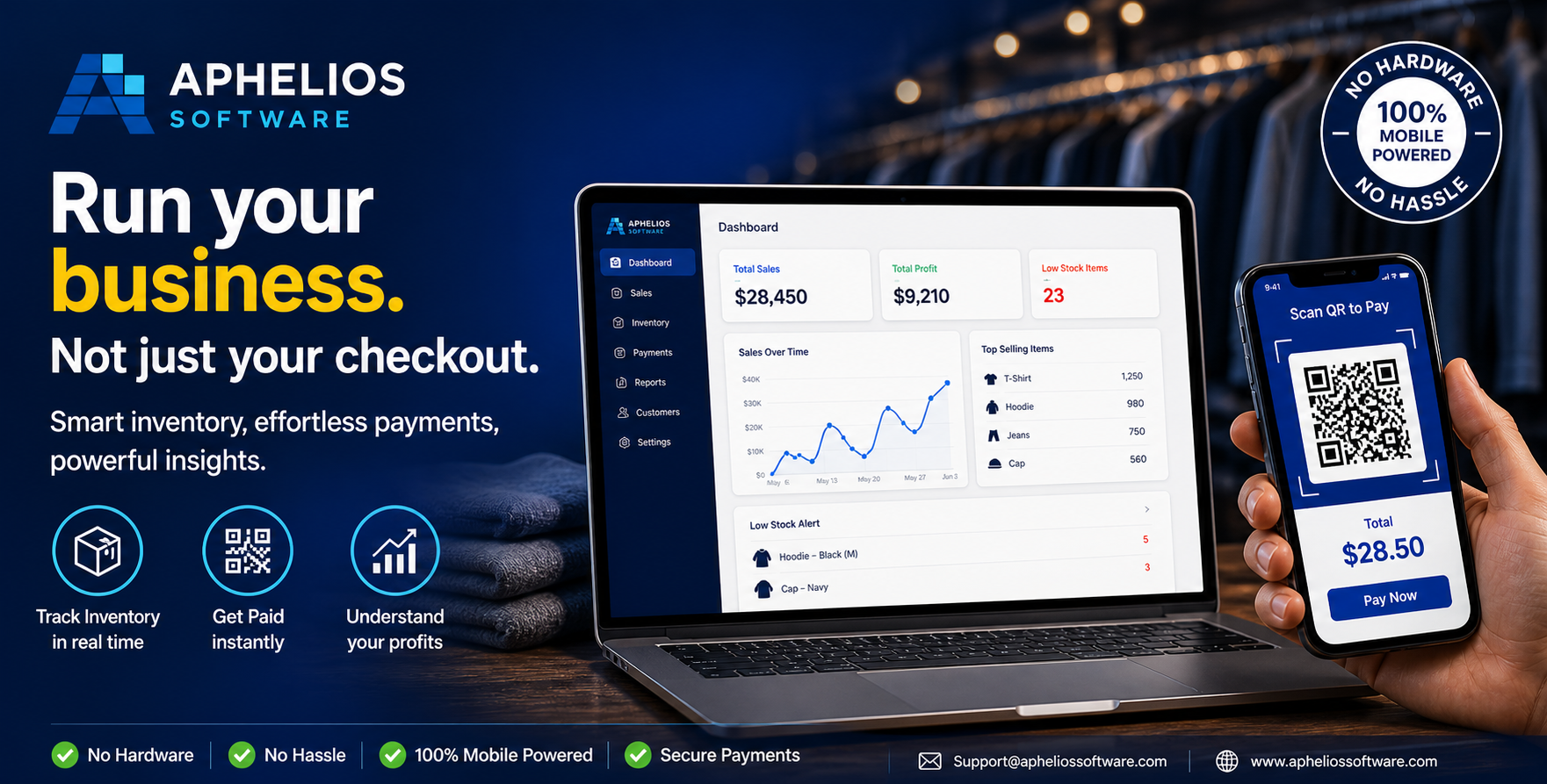
CRM analytics dashboard giving you real-time visibility into sales performance and pipeline health
Data is one of the most valuable assets a small business can have, but raw data is useless without the ability to turn it into actionable insights. That is where CRM reporting and analytics come in. A CRM system not only stores your customer and sales data but also provides the tools to analyse it: revealing trends, identifying opportunities and highlighting problems before they become critical.
This guide explores the essential CRM reports and analytics every UK small business should use, how to interpret them and how to choose a CRM with the right reporting capabilities. Whether you are tracking leads, managing a sales pipeline or measuring customer retention, CRM analytics give you the clarity you need to grow your business with confidence.
Why CRM Reporting Matters for Small Businesses
Without CRM reporting, business decisions are based on intuition, memory and incomplete information. You might know that sales have been quiet recently, but do you know why? Is it because fewer leads are coming in, your conversion rate has dropped, or deals are stalling at a particular pipeline stage? CRM reports answer these questions with concrete data, enabling you to diagnose problems and take targeted action.
The benefits of CRM reporting for UK small businesses include:
- Data-driven decision making: base your business strategy on facts rather than gut feeling.
- Early problem detection: spot declining conversion rates, stalled deals or dropping activity levels before they impact revenue.
- Sales forecasting accuracy: predict future revenue based on real pipeline data rather than optimistic guesses.
- Team accountability: measure individual and team performance with objective metrics.
- Customer insight depth: understand who your best customers are, what they buy and why they stay.
For UK small businesses operating in competitive markets, the ability to make faster, more accurate decisions based on real data is a significant advantage. CRM reporting transforms your daily operations from reactive to proactive.
Essential CRM Reports Every Business Should Track
Modern CRM platforms offer dozens of report types, but most small businesses only need a handful of essential reports to get a complete picture of their sales and customer health. Here are the reports we recommend every UK small business should run regularly:
Sales pipeline report: shows all open deals grouped by pipeline stage, with their value and expected close date. This is your most important report because it tells you exactly how much revenue is in progress and where deals are concentrated. A healthy pipeline has deals distributed across all stages, not clustered at the beginning or end.
Lead conversion report: tracks how many leads enter your pipeline and what percentage convert to won deals. If your conversion rate drops, you can investigate whether lead quality has declined, your sales process needs improvement or your pricing has become uncompetitive.
Sales activity report: measures the volume of sales activities: calls made, emails sent, meetings held and quotes generated per team member. This report connects activity levels to results, helping you understand which activities drive the most deals.
Revenue forecast report: uses weighted pipeline values to project future revenue. Each deal stage has a probability percentage (for example, Qualification 10%, Proposal 40%, Negotiation 70%), and the CRM calculates expected revenue by multiplying deal values by their stage probability.
Customer report: lists your top customers by total revenue, average order value, purchase frequency and lifetime value. This report is essential for identifying your most valuable relationships and creating retention strategies for high-value customers.
Sales Pipeline Analytics: Understanding Your Conversion Funnel
Your sales pipeline is more than a list of deals: it is a visual representation of your sales process and a rich source of analytical data. Pipeline analytics help you understand the health of your sales operation by answering questions like: how long does a typical deal take to close? At which stage do deals most commonly get lost? Which sales activities correlate with higher win rates?
By analysing your pipeline data, you can identify bottlenecks. If a high percentage of deals stall at the Proposal stage, for example, your proposals may need improvement: perhaps pricing is unclear, or you are not addressing customer objections effectively. If deals move quickly to Qualification but rarely progress further, your lead qualification criteria may need tightening so your team focuses on higher-quality prospects.
The Aphelios CRM platform includes a visual Kanban pipeline with built-in analytics that shows deal distribution, average deal age and conversion rates by stage. You can see at a glance which deals need attention, which team members have the most active deals, and whether your pipeline has enough value to meet your revenue targets for the coming month.
Customer Segmentation and Behaviour Analysis
CRM analytics enable you to segment your customer base in ways that reveal valuable business insights. Rather than treating all customers the same, you can group them by characteristics such as total spend, purchase frequency, product preferences, geographic location or engagement level. Each segment may require a different marketing approach, service level and retention strategy.
Behaviour analysis goes deeper by examining patterns in customer actions:
- Purchase patterns: which products are frequently bought together? Which seasons drive the most sales for specific product categories?
- Churn indicators: what behaviour patterns precede a customer stopping their purchases? Can you identify at-risk customers early?
- Engagement trends: are customers opening your emails? Clicking links? Responding to offers? Which campaigns drive the most engagement?
- Loyalty drivers: what distinguishes your most loyal customers from one-time buyers? Is it product category, price point or customer service interactions?
These insights enable you to allocate marketing spend more effectively, tailor customer communications and design loyalty programmes that actually resonate with your customers. For UK small businesses, customer segmentation is also valuable for local marketing: targeting customers in specific regions with relevant offers and events.
Measuring Sales Team Performance with CRM Data
CRM analytics provide objective metrics for measuring and improving sales team performance. Rather than evaluating team members based on subjective impressions, you can track concrete KPIs: number of deals created, calls made, quotes sent, deals won and revenue generated. This data enables fair performance reviews, targeted coaching and recognition of top performers.
Key sales performance metrics to track include:
- Win rate: the percentage of deals that close successfully. Compare win rates across team members to identify best practices.
- Average deal size: the average value of won deals. Are some team members consistently closing larger deals? What are they doing differently?
- Sales cycle length: the average time from lead creation to deal closure. Longer cycles may indicate process inefficiencies or poor lead qualification.
- Activity-to-result ratio: how many calls, emails or meetings are needed to close a deal? This helps set realistic activity targets.
- Pipeline coverage: the ratio of pipeline value to revenue target. A healthy pipeline typically has 3-4 times your target in active deals.
When combined, these metrics provide a comprehensive view of sales effectiveness. If a team member has a high activity volume but low win rate, they may need help with closing skills or lead qualification. If another has a high win rate but low deal count, they may need more leads or better time management. CRM analytics give you the data to have these conversations constructively.
Custom Dashboards and Real-Time Reporting
The most useful CRM reports are the ones you can access instantly without digging through menus. Custom dashboards bring your most important metrics to a single screen, updated in real time as your team logs activities and progresses deals. A well-designed dashboard gives you at-a-glance visibility into the health of your business.
Typical CRM dashboard widgets include a pipeline value summary showing total deal value by stage, a lead conversion funnel highlighting drop-off points, a revenue vs target tracker comparing actual revenue against your goal, a recent activity feed showing the latest team interactions, and a top customers widget listing your highest-value accounts. Many CRMs allow you to create multiple dashboards for different audiences: a sales dashboard for the team, a financial dashboard for management and a marketing dashboard for campaign performance.
For UK small businesses using Aphelios integrated CRM, the reporting dashboard combines CRM pipeline data with inventory metrics and sales transaction history, giving you a complete business view. You can see not only which deals are in progress but also which products are selling, how inventory levels affect sales capacity and how your gross profit margins trend over time.
Choosing a CRM with the Right Analytics Capabilities
Not all CRM platforms offer the same reporting and analytics features. When evaluating CRM options, look for built-in dashboards with customisable widgets, the ability to create and save custom reports, export functionality to CSV or PDF for sharing with stakeholders, visual pipeline analytics with conversion metrics, and the option to connect CRM data with inventory and sales data for a complete business view.
For a detailed comparison of CRM platforms and their reporting capabilities, read our guide on Best CRM Software for Small Business UK 2026. You can also explore how CRM software helps UK small businesses track leads, manage deals and grow revenue.
Related Articles
CRM Software for Small Business UK 2026
Learn how CRM software helps UK small businesses manage leads, track deals and grow revenue.
Read moreDeal Pipeline & Kanban CRM UK 2026
Master visual deal pipeline management with Kanban CRM for your UK business.
Read moreCustomer Retention Strategies 2026
Proven strategies to retain customers and grow your UK small business.
Read moreTry Aphelios CRM Free for 14 Days
See how integrated CRM, inventory and sales management can simplify your business operations. No credit card required. UK hosted and GDPR compliant.
Start Free Trial